


| Crop species name | SIL- Org Rate in l/ha | Application timing for SIL - Org I, II, III, IV… number and order of treatments according to BBCH growth stages |
| Apple, Pear | 2.5-3 l/ha |
I – green bud to white bud stage; BBCH 56 II - end of flowering stage, all petals fallen (5 l/ha); BBCH 69 III – fruit diameter up to 40 mm: BBCH 74 IV – fruit reaches 60% of final size; BBCH 76 V - fruit reaches 90% of final size; BBCH 79 VI, VII – fruit coloration and ripening, up to 14 days before harvest: BBCH 82; 85 |
| Sour cherry, Sweet cherry, Plum | 2.5-3 l/ha | I – green bud stage - flower buds (closed); BBCH 55 II – end of flowering stage, all petals fallen (5 l/ha): BBCH 69 III - fruit reaches 50% of typical size (5 l/ha) ; BBCH 75 IV, V - subsequent applications every 7-10 days as fruit grows, until advanced coloration, ending 8 days before harvest; BBCH 82; 85; |
| Blackberry, Raspberry | 1.5-2.5 l/ha | I – shoots reach 70% of typical length (4 l/ha), BBCH 39, II – flower buds closed (4 l/ha) ; BBCH 51 (55) III – growth of 20% of formed fruits (5 l/ha); BBCH 72 IV – 50% of formed fruits (5 l/ha); BBCH 75 V – 100% of formed fruits and ripening (5 l/ha): BBCH 80 |
| Strawberry | 2.5 – 3 l/ha | I – flower buds appear at the base of the rosette (4 l/ha), BBCH 55, II – flower drying, most petals have fallen (5 l/ha) ; BBCH 67 III – intensive receptacle expansion of the fruit (5 l/ha); BBCH 71 IV – 50% of formed fruits (5 l/ha); BBCH 75 V – beginning of fruit coloration (5 l/ha): BBCH 82 |
| Currants | 2.5 – 3 l/ha | I – cluster stage, all petals separated (2.5 l/ha) ; BBCH 59 II – beginning of fruit growth (2.5 l/ha) ; BBCH 71 III – 50% of fruits have reached final size (3 l/ha); BBCH 75, IV - 90% of fruits have reached final size (3 l/ha); BBCH 79. |
| Highbush blueberry | 2.5-3 l/ha | I – just before the appearance of the first flowers (4.5 l/ha); BBCH 60 II – end of flowering stage, petals fallen (5 l/ha); BBCH 69 III – 50% of fruits formed (5 l/ha); BBCH 75, IV – 90% of fruits formed (5 l/ha); BBCH 79. V – first berries at the base of the cluster are ripening (5 l/ha); BBCH 85 |
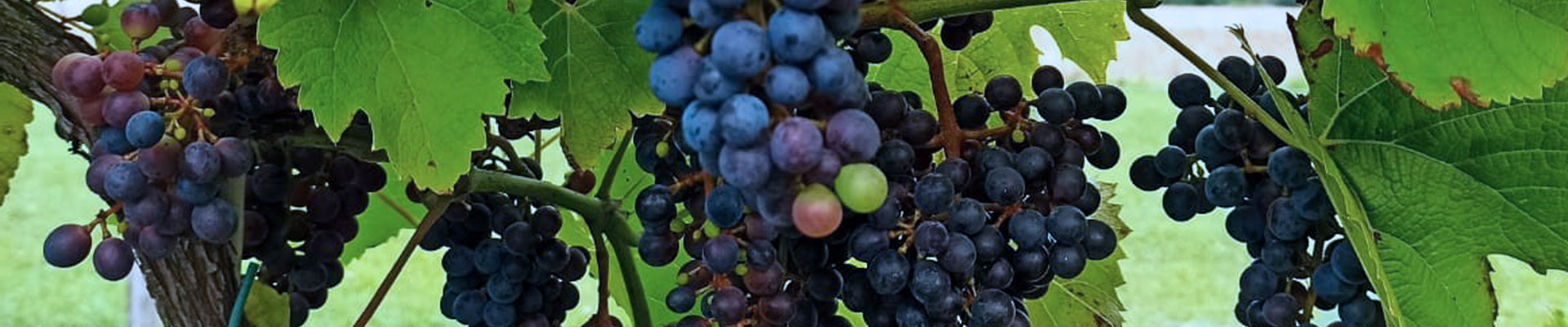
| Grapevine | 3 l/ha | I – inflorescence ties / flowering clusters visible (5 l/ha); BBCH 48 II – pea-sized berries (5 l/ha); BBCH 75 III - most berries touch neighboring ones, beginning of ripening: BBCH 80 |
| Watermelon | 2.5-3 l/ha | I – beginning of flowering (2.5 l/ha); BBCH 50 II – first flowers have faded (2.5 l/ha); BBCH 58 III - 50% of fruits reach typical size (2.5 l/ha); BBCH 75 |
| Onion | 2.5 l/ha | I - 9 true leaves (2.5 l/ha); BBCH 19 II – bulb reaches 30% of typical diameter (2.5 l/ha); BBCH 43 III – bulb reaches 60% of typical diameter (2.5 l/ha); BBCH 46 |
| Garlic | 2.5 l/ha | I - 9 true leaves, intensive growth (2.5 l/ha); BBCH 19 II – bulb reaches 40% of typical diameter (2.5 l/ha); BBCH 44 III – bulb reaches 60% of typical diameter (2.5 l/ha); BBCH 46 |
| Bean, Pea, Broad bean | 1.5 – 2 l/ha | I – development of lateral shoots (1.5 l/ha); BBCH 27 II – 65% of pods reach typical size (2 l/ha); BBCH 76 |
| Cauliflower, Broccoli | 2.5 l/ha | I – 6-7 true leaves (2.5 l/ha); BBCH 17 II - 10% of typical curd diameter (2.5 l/ha); BBCH 35 III - 40% of typical curd diameter (2.5 l/ha); BBCH 44 |
| Chinese cabbage | 2 - 2.5 l/ha | I – 6-7 true leaves (2.5 l/ha); BBCH 17 II – beginning of head formation (2.5 l/ha) BBCH 41 III - 40% of typical head diameter (2.5 l/ha); BBCH 44 IV - 80% of typical head diameter (2.5 l/ha); BBCH 48 |
| Head cabbage |
2 – 2.5 l/ha |
I – 6-7 true leaves (2.0 l/ha); BBCH 17 II – beginning of head formation (2.5 l/ha) BBCH 41 III - 40% of typical head diameter (2.5 l/ha); BBCH 44 |
| Carrot, Parsley | 2.5 l/ha | I – 11 true leaves (2.5 l/ha); BBCH 20 II – beginning of root thickening (2.5 l/ha); BBCH 41 III - root reaches 60% of typical diameter (2.5 l/ha); BBCH 46 |
| Field cucumbers | 2.5 l/ha | I – 8-9 developed leaves (2.5 l/ha); BBCH 19 II – developed flower stage on the main shoot (2.5 l/ha); BBCH 62 III – 50% of cucumber fruits reach typical size (2.5 l/ha); BBCH 75 repeat every 8-10 days during subsequent harvests |
| Sweet pepper | 2.5 l/ha | I – n-th lateral shoot visible (5 l/ha); BBCH 48 II – first fruit cluster in which the first fruit has reached typical size, and similarly for each subsequent cluster (5 l/ha); BBCH 71, 72, 73….. III, IV, V etc. – on each subsequent cluster the first fruit begins to turn red, and similarly onwards (5 l/ha); BBCH 83-84…..; |
| Field tomato | 2.5 l/ha | I – first inflorescence visible, buds drooping (4.5 l/ha); BBCH 50 II – before flower opening on the first cluster (5 l/ha); BBCH 60 III - before flower opening on the third cluster (5 l/ha); BBCH 63 IV - before flower opening on the fifth cluster (5 l/ha); BBCH 65 V – fruit from the first cluster has reached typical size (5 l/ha) BBCH 71; VI etc. – similarly for each subsequent cluster (5 l/ha); BBCH 72, 73 etc. |
| Sugar beet | 3 l/ha | I – leaf coverage of 10% of the soil surface (3 l/ha); BBCH 30; II - leaf coverage of 90% of the soil surface (3 l/ha); BBCH 39; III - 60% of final root size (3 l/ha); BBCH 46 |
| Potato | 2.5-3 l/ha | I – leaves and shoots cover 40% of the soil surface (2.5 l/ha); BBCH 34 II – tubers reach 10% of typical mass (3 l/ha); BBCH 43 III - tubers reach 80% of typical mass (3 l/ha); BBCH 70 |
| Winter rapeseed | 2.5-3 l/ha | I - in autumn at the 8-10 leaf rosette stage (2.5 l/ha); BBCH 17 II – 3rd internode of the main shoot visible (2.5-3 l/ha); BBCH 35 III - 20% of pods have reached typical size (2.5 l/ha); BBCH 72 |
| Maize | 2.5-3 l/ha | I – 8-9 true leaves (2.5 l/ha); BBCH 18-19 II – 12 true leaves (3 l/ha) ; BBCH 23 |
| Winter cereals | 2.5-3 l/ha | I - in autumn – 7 true leaves (2.5 l/ha); BBCH 18 II - Swollen leaf sheath of the flag leaf (3 l/ha); BBCH 43 |
NOTE: SIL - org due to the mobility of silicon in an alkaline environment, must not be mixed with pesticides and other foliar fertilizers without performing a prior miscibility test, and provided that no adverse effects occur, the working liquid may be prepared in the sprayer.
Mixing SIL – org with CAL - org: fill the sprayer tank up to 1/3 of the desired amount of water and pour in the full dose of CAL – org with the agitator running, then add water up to 2/3 of the desired amount and add SIL – org, after which top up the solution with water to the desired volume. Apply the prepared working liquid to plants immediately after mixing.
Foliar spraying of plants should be carried out during the growing season on dry leaves, in the morning or evening at lower temperatures, or during the day in cloudy weather at temperatures from +80C to +280C. Medium-droplet nozzles are recommended for spraying.